Vocabulary and Basic Concepts: yummy/yucky, like/don't like, spaghetti, worms, blueberries, blue crayons, soup, soap, sandwiches, sand, cookies, cocoa, coffee, chocolate sauce, hot sauce, apple pie, mud pie, hamburgers, boogers, eggs, earwax, fish sticks, fish food, ice cream, (labeling food and toy items in the classroom), negation (no, not), descriptive words (crunchy, spicy, cold, hot, sweet).
We read the Book Yummy Yucky By Leslie Patricelli
The baby gets confused. He puts yummy things we can eat in his mouth. But then he puts yucky things in his mouth we shouldn't eat. Everyone talked about what was yummy (spaghetti, soup, ice cream), and what was yucky (worms, boogers, sand).
Then we took things from around the room and talked about what we could put in our mouths (if it were real) like foods. We shouldn't put pretend foods or toys in our mouths. We practiced pretend eating.
DO THIS AT HOME: talk about things we eat (foods your having for your meals that day) and things around your house we shouldn't put in our mouths (toys, shoes).
Transition Song: The Gobble Gobble Song by Nooshi.
(We only sing the first verse through talking about food and then "What does the turkey say" chorus again. We sing this without the music so we can sing it slower.)
This week Miss Carrie had pictures of our teachers and friends eating foods they like. We talked about Who it was, What they were eating, and if we like or don't like that food.
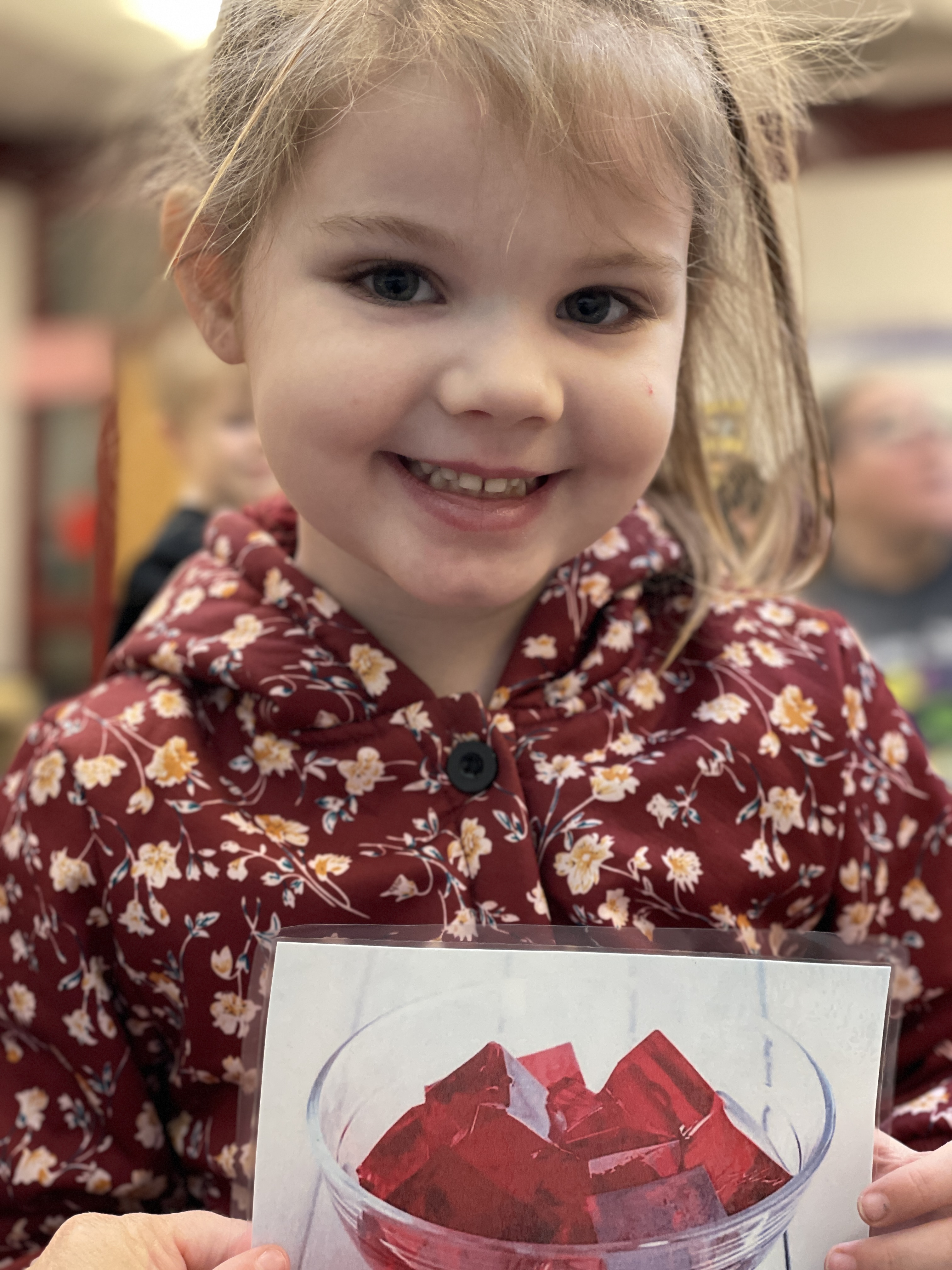
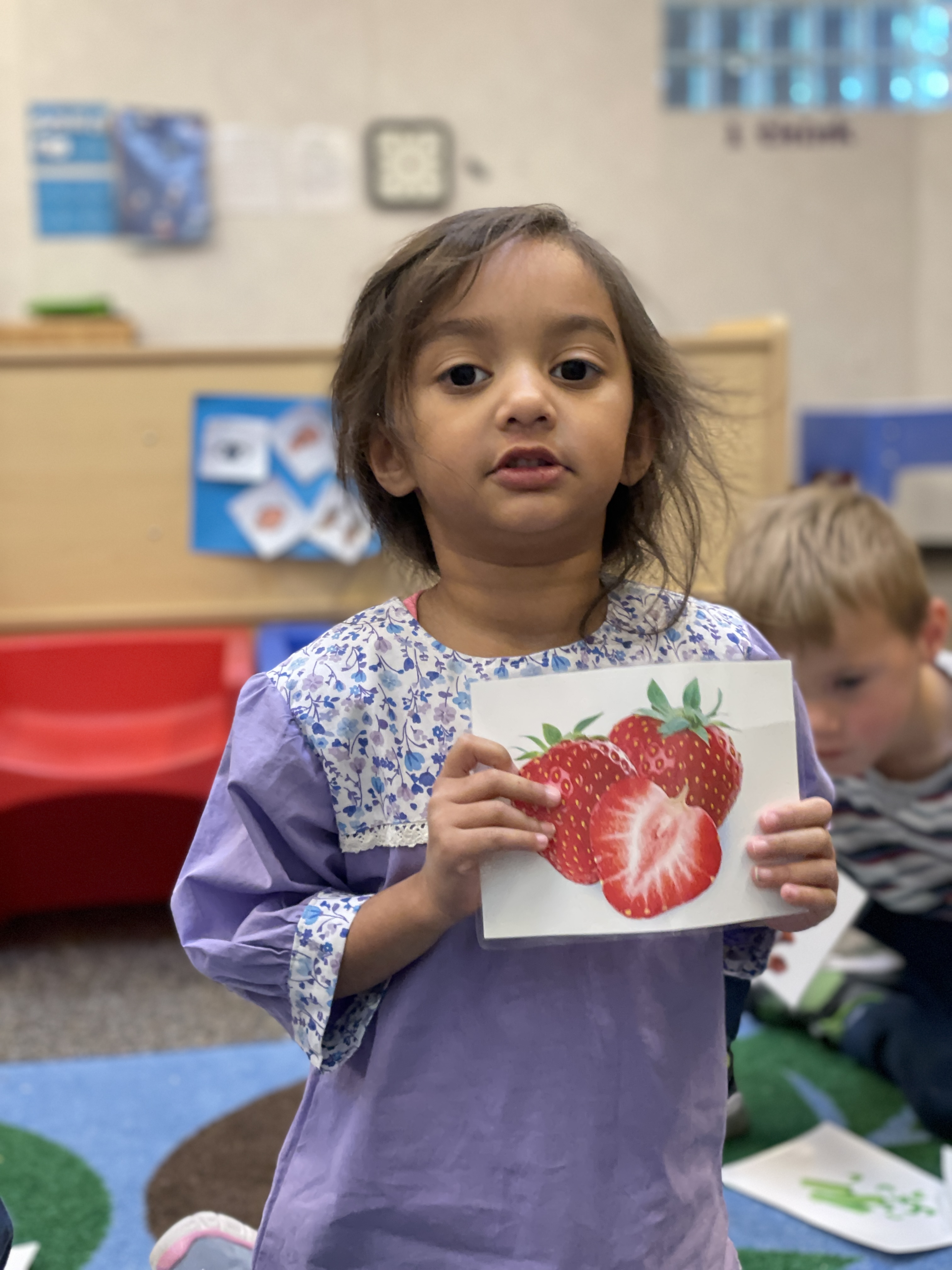
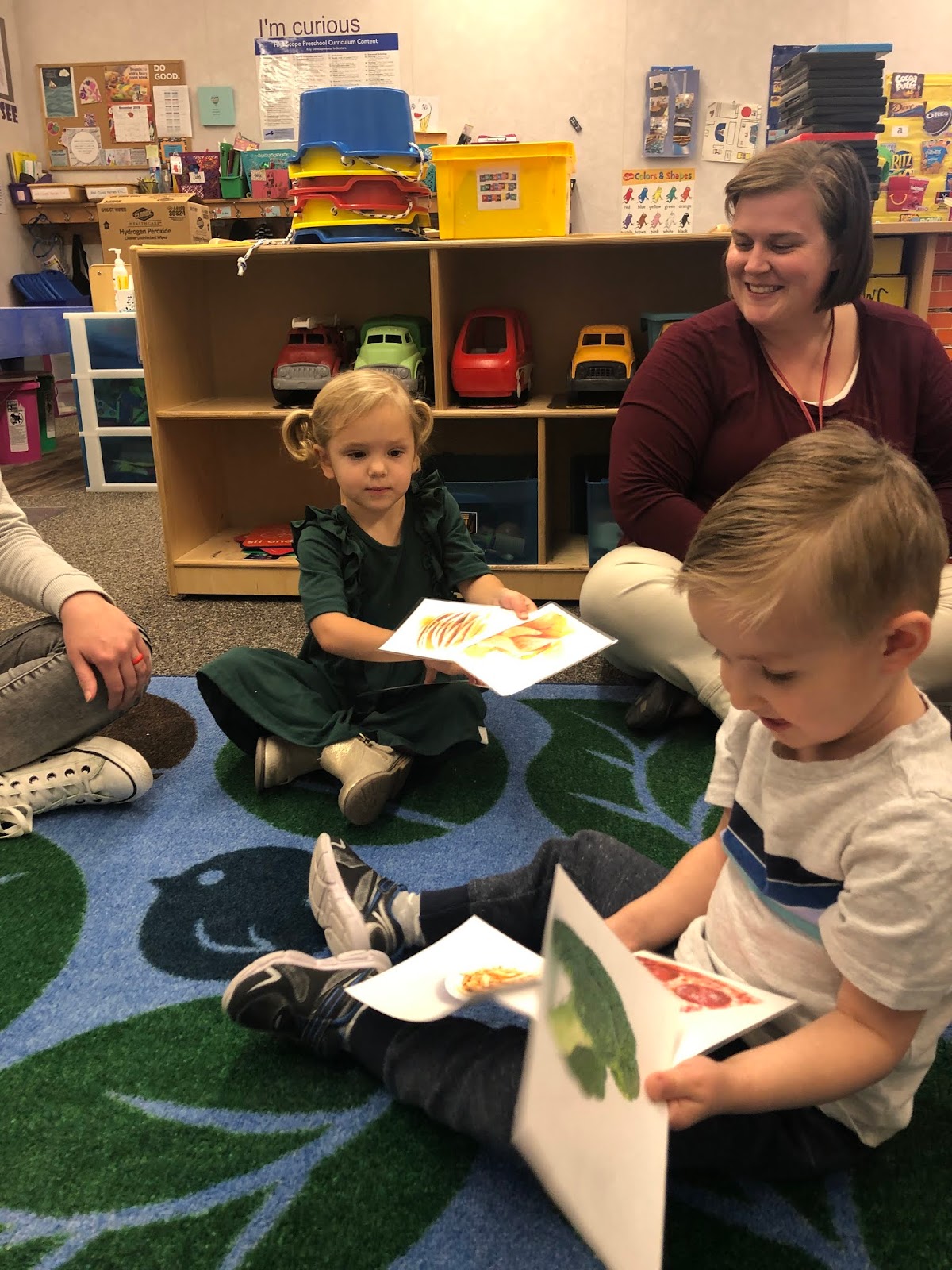
Then we looked at pictures of foods. There were fruits and vegetables, treats, and foods we eat for breakfast or dinner. We looked at the pictures and asked our teachers and friends "Do you like this? Do you have it at your house?" Friends could answer yes or no. They could tell us Where they eat that food. They could tell us "I like it" or "I don't like it.
DO THIS AT HOME: Those circulars and fliers you get from the grocery stores are great for looking at pictures of food. Or look at a cookbook together. Talk about food you like. Consider making a simple recipe together (preschoolers are great at dumping ingredients in a bowl) and talk about what you like.
Vocabulary and Basic Concepts: quiet/loud, slow/fast, popcorn, pop/popping/pops/popped, farm, garden, grow, heat, hot/cold, cook, stove, microwave, make, buy, I have/ I don't have, I like/I don't like, What/Where/Who, snack, pour/pouring/poured, oil, sprinkle, jump/jumping/jumps/jumped, clap/clapping/claps/clapped, lid, turn up, crunchy, salty, good.
This week, Miss Carrie told us that her favorite snack is popcorn. She loves to make popcorn at home or have popcorn at the movie theater. Some people make popcorn in the microwave and some make it on top of the stove. Popcorn seeds are hard. They have to have heat to pop into popcorn. We read a book that showed people eating popcorn, what corn looks like when it is growing, and how to make it.
Then Miss Carrie taught us the popcorn song. We started by singing quietly, then we sang louder. Miss Carrie sang first and we sang it after her.
Pour on the oil
(pour on the oil)
Sprinkle in the popcorn
(sprinkle in the popcorn)
Put on the lid
(put on the lid)
Turn up the heat
(turn up the heat)
sizzle, sizzle, sizzle, sizzle
Sizzle, Sizzle, Sizzle, Sizzle
SIZZLE, SIZZLE, SIZZLE,
POP!
Hear the popcorn, watch it pop
POP! POP! POP! POP!
Now we stop!
Let the teachers show you how it is done.
DO THIS AT HOME: Let your child lead as much as possible to teach your family the Popcorn song at home. Make popcorn for a snack. Talk about what it tastes like and see who likes it.
The book gave us the opportunity to talk about opposites and also rhyming words. Then Miss Carrie showed us pictures of our friends during Winter Break. Some of them were outside where it was cold. Some of them were inside where it was warm. We talked about if we did activities like we saw in the pictures. Who is that? Where are they? What are they wearing? Is it warm or cold?
Miss Carrie brought out hand warmers. Everyone was able to have a turn holding a hand warmer. Miss Carrie puts hand warmers in her gloves and toe warmers in her boots because she does not like being cold.
Afterwards, Miss Carrie brought a treat. She made hot candy cane cocoa and marshmallows. Everyone had a change to say "Yes, I want cocoa.", or "No thank you. I don't want cocoa."
I didn't have much chance to take pictures of our cocoa party because I was THE MOST popular person in the room. Most of the kids loved having hot cocoa with Snack Time.
Do this at home. Look at family pictures together. Talk about Who/What/Where. Do you see any opposites? Short and tall? Warm and cold? Day and night? Big and small?
At then end of your family activity, make hot cocoa. When Miss Carrie is at home, she likes whipped cream in her cocoa. Talk about what you like in your cocoa, or if you don't like cocoa at all.
Vocabulary and Basic Concepts: (toys around the room), spaghetti, worms, blueberries, crayons, soup, soap, sandwiches, sand, cookies, coffee, chocolate sauce, hot sauce, apple pie, mud, burgers, boogers, eggs, earwax, fish sticks, fish food, ice cream, spicy, crunchy, yummy/yucky, hot/cold, I like it/Don't like it), negation, descriptive words.
This week, Miss Carrie read the book Yummy Yucky by Leslie Patricelli.
The baby in this books tries foods that are yummy. But then they try things that are yucky aka things that we don't eat. We talked about what we like and what we don't like. We talked about where we should NOT put our fingers (noses, ears, mouths). If we do that it might make our teachers and friends sick. Teachers will ask us to wash our hands with soap if we put our fingers in our noses, ears, or mouths.
Then everyone looked around the room for one, small thing we should not put in our mouths. Glue, markers, puzzle pieces, pretend foods, cars, baby items, blocks, and animals were brought to the rug so we could show our friends and talk about what we should not put in our mouth.
DO THIS AT HOME: Make a game of it. Find items that you can eat and items you shouldn't. Put your child in charge of asking "Yummy or Yucky?" Talk about why it doesn't go in your mouth. Make sure you end with a treat you can put in your mouth. Be sure to enjoy your treat or snack together, talking about Yummy and how much you like it.
Vocabulary and Basic Concepts: familiar and unfamiliar food items (pizza apples, carrots, tomatoes, doughnuts, spaghetti, legos, markers, glue, toy people, cars, Potato Head feet, stacker rings), not, like/don't like, food/not food.
Transition Song: Gobble Gobble by Nooshi
Note: We're only singing the first verse and much more slowly than this is sung. We're also beating a pattern of knees-clap-knees-clap while we sing. We show the foods that may be typical at Thanksgiving and talk about them. I emphasize "If I don't know if I like it or I think I won't like it, I still try a tiny bit. Just in case I changed my mind."
This week, Miss Carrie brought box full of toy food and toys. We took turns pulling it out of the box with our eyes closed. We talked about what it was and if it was food or not food.
If it was food: do we like it or don't like it? It is okay if my friends don't like something but I do like it. Everyone loved french fries and watermelon. Some people didn't like eggs. Some people liked pizza. We learned that spaghetti could also be called noodles or pasta. We still don't put pretend food in our mouths. We hold it away from our mouths and pretend to eat it.
If it wasn't food, we discussed if we could still put it in our mouths. NOOOOO! Miss Jeana and Miss Kazia would have to wash it and they do not want to wash any more toys.
DO THIS AT HOME: talk about the foods at dinner and if you like it or don't like it. Do you want to try a little bit to see if you changed your mind? That's what Miss Carrie does. She keeps trying peanut butter or peas to see if she changed her mind. (No, she hasn't changed her mind yet.)
Vocabulary and Basic Concepts: like/don't like/do you like, labeling food, What questions, Where questions.
This week Miss Carrie said that there were a lot of foods we like and foods we don't like. It's okay if someone likes a particular food that you don't. It is okay if you like a food that your friend doesn't like. Miss Carrie brought a lot of pictures of food to class.
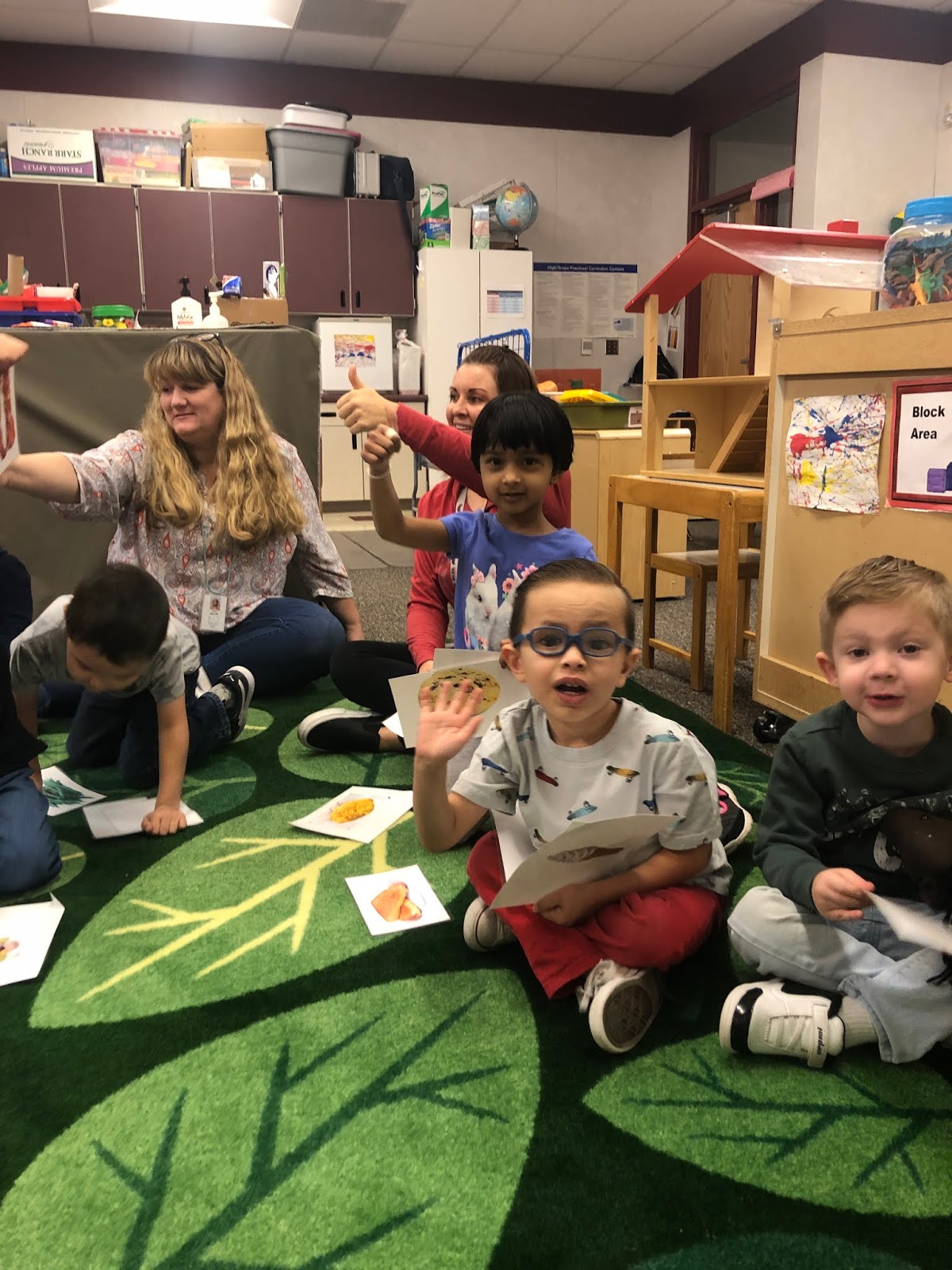
We practiced asking "Do you like _________?" and named the food. Then we practiced saying "I like it" and gave a 'thumbs up', and "I don't like it" and gave a 'thumbs down'.
Miss Carrie handed pictures to everyone. We showed the pictures to our friends and teachers and took turns asking "Do you like cookies?, Do you like spaghetti? Do you like apples? Do you like hot cocoa?"
Miss Carrie really likes tomatoes, french fries, spaghetti, broccoli, and hot cocoa. She really doesn't like peanut butter or peas. She also said that she keeps trying food she thinks she doesn't like to see if she changed her mind. Sometimes we change our minds as we get older.
DO THIS AT HOME: look at pictures of food in a magazine or cookbook or discuss food at your meal time. Do you like it? Do you not like it? Did you try it? This is a great way for kids working on /l/ to practice it. It is a great way to help kids expand phrases.
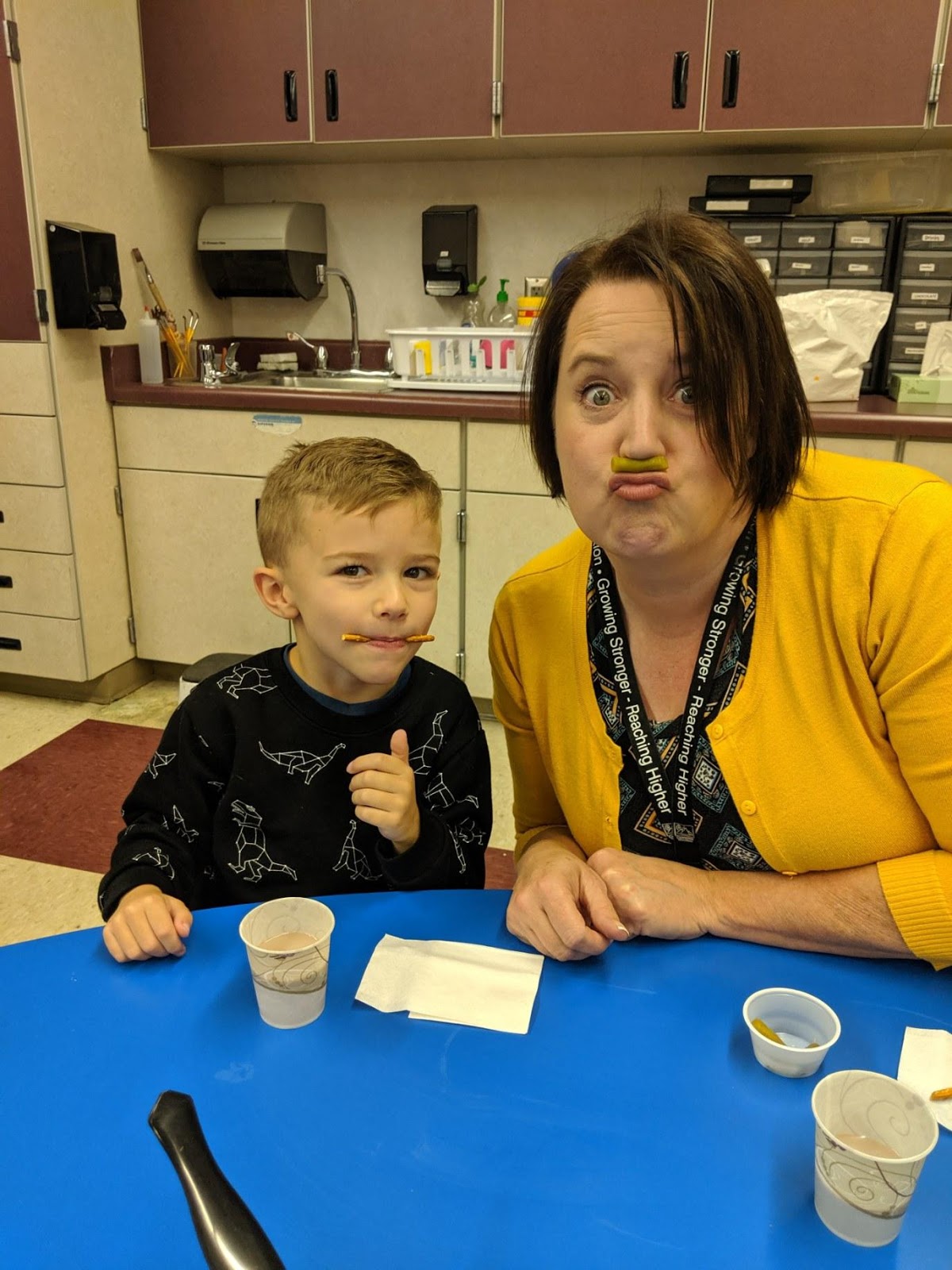
In preschool, we explore food during Snack Time. This particular day in Miss Jeana's classroom, stick pretzels and canned green beans were offered. Children can say yes or no. You wouldn't be surprised by how many children immediately said no to green beans. But guess what happened next?
We made letters from our pretzels.
We had fun showing our teachers how to do it.
Miss Carrie decided she could turn her pretzels into chopsticks. Everyone wanted to try.
Then Miss Carrie made a green bean mustache! It was so funny!
Some of us made pretzel mustaches.
More mustaches.
Then some of the children watched Miss Carrie taste the green bean. She decided she liked it. Soon, lots of kids were tasting green beans. Some decided they didn't like it. That's okay. It's important to try foods to see if you like them or not. Other children decided they liked the green beans. Some even speared them with pretzel sticks or used pretzels like chopsticks.
The important takeaway here is to play with your food, explore it, and no stress about eating. Cheer for the effort of trying it. It's okay to put it down and not eat it. It can stay on your plate or napkin until you're ready to clean up.
Vocabulary and Basic Concepts: yummy/yucky, like/don't like, hot/cold, spaghetti, worms, blueberries, crayons, soup, soap, sandwich, sand, cookies, coffee, chocolate sauce, hot sauce, apple pie, mud pie, hamburgers, boogers (oh, yes, we went there!), eggs, ear wax, fish sticks, fish food, ice cream, too much, at home, Mom likes, Dad likes, What questions, Where questions, Who questions.
Pre-Literacy: Let's draw the letter T. Draw top to bottom. Now back to the top. Draw left to right and now we stop. What words have the /t/ sound? Turkey, turtle, toys, taco, tongue, tiger, tape, tomatoes, table, tree.
Babies put everything in their mouths. They don't know what is yummy and what is yucky! We read the book together and talked about what we can eat and what we can't eat. We discovered that some friends like foods we don't. We heard a story about one of our classmates who went camping at the sand dunes and got sand in her mouth. Sand is yucky! Fun to play in, but not to eat. Baby even tried to eat boogers! EW! We've been talking about boogers earlier in the year so everyone knows that we don't put them in out mouths. If you put your fingers in your nose, the teachers will ask you to wash your hands. We don't want to get sick.
This book brought out a lot of conversation and a lot of laughter among the kids. Everyone was eager to share what they liked and did not like. What do you like to eat? Who likes pie? Where did you eat hamburgers?
DO THIS AT HOME: What do you think is yummy/yucky? What things should you NEVER put in our mouths? What foods do you like or don't like?
Other things that happened in school this week:
We had a drill this week. The alarms were loud! We had to go outside until the drill was all done.